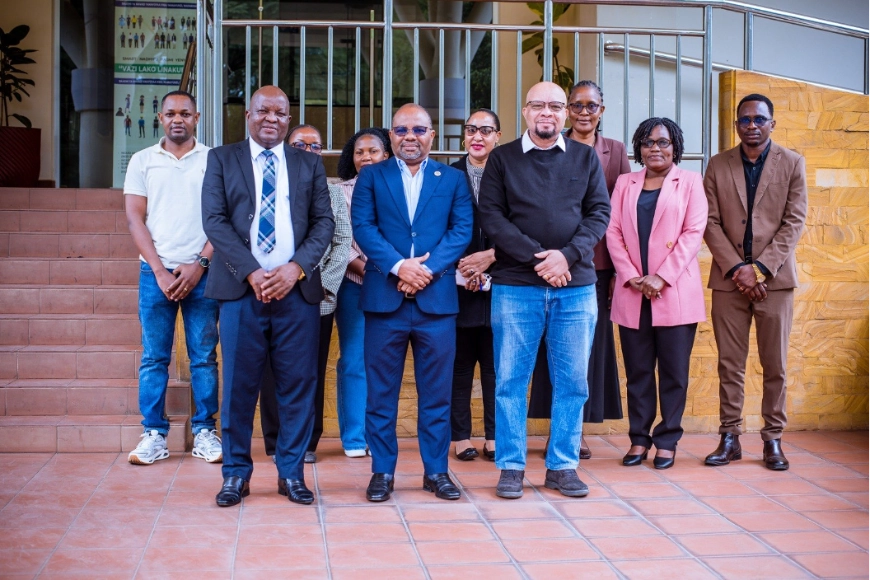
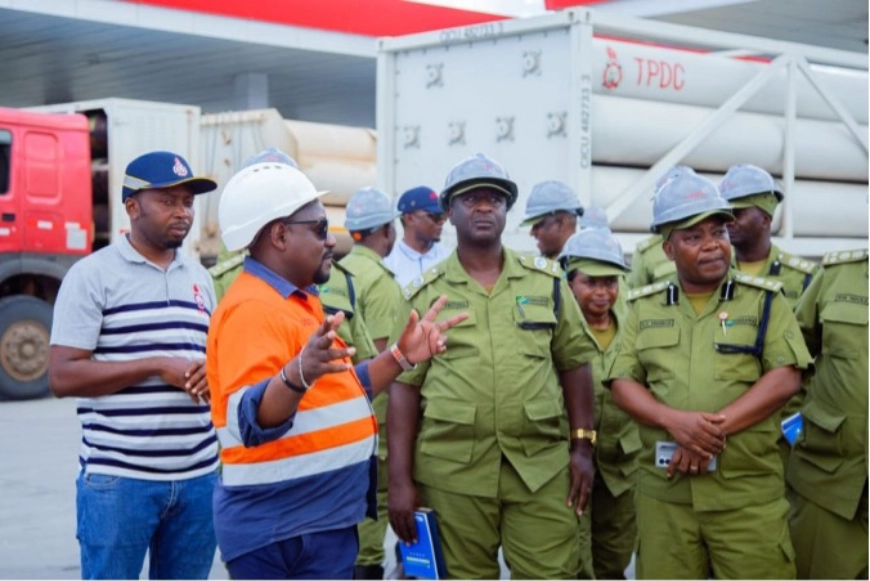
The National Mine Closure Committee has reviewed the Closure Plan for the Bulyanchulu Gold Mine, located in Msalala District, Kahama District, Shinyanga Region, to verify its compliance with applicable laws, regulations, and guidelines governing mine closures in the country.
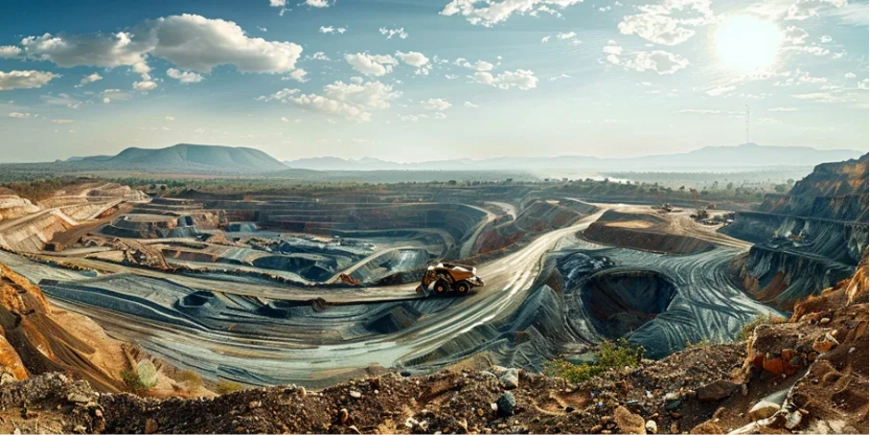
The meeting held the day before was devoted to assessing the compliance of the plan with the provisions of the Mining Industry Act (Chapter 123), the Mining Regulations (Safety, Health and Environmental Protection) of 2010, as well as the Mine Closure Guidelines of 2019.
Khamisi Kamando, Chairman of the National Mine Closure Committee, who chaired the meeting, said that medium-sized and large mining enterprises are required to prepare and submit mine closure plans to the Chief Inspector of the Mining Industry for review and approval. He noted that according to the Mining Industry Act (Chapter 123) and Rule 206 of the Mining Regulations (Safety, Health and Environmental Protection) of 2010, each mine owner must prepare a closure plan and send it to the Chief Inspector for professional examination before approval by the National Mine Closure Committee.
The committee's task is to review and approve mine closure plans to ensure that after the completion of mining, the mine areas will be returned to a safe and environmentally acceptable state, while protecting the interests of local communities.
The meeting was attended by experts from the Office of the Vice President, the Ministry of Water Resources, the Ministry of Natural Resources and Tourism, the Ministry of Mining, the National Land Use Planning Commission, the National Council for Environmental Protection (NEMC), the University of Dar es Salaam (UDSM), the Mining Commission, as well as representatives of the leadership of the Shinyanga region and the Kahama district.
Agapit Paul, Public Relations Manager of the Bulyanchulu Gold Mine, thanked the committee for its comments and recommendations, noting that they could be taken into account when finalizing the mine closure plan. He also said that the company intends to continue cooperating with the committee and implement the relevant recommendations.
The Administrative Secretary of the Shinyanga Region, Police Commissioner Saloum Rashid Hamdouni, noted that the mining industry plays a significant role in the region's economy, including by creating jobs, expanding opportunities for local suppliers and contractors, and stimulating economic activity. He added that the regional authorities will continue to cooperate with the Bulyanchulu mine on issues related to conducting activities taking into account the interests of the population, the environment and the state.