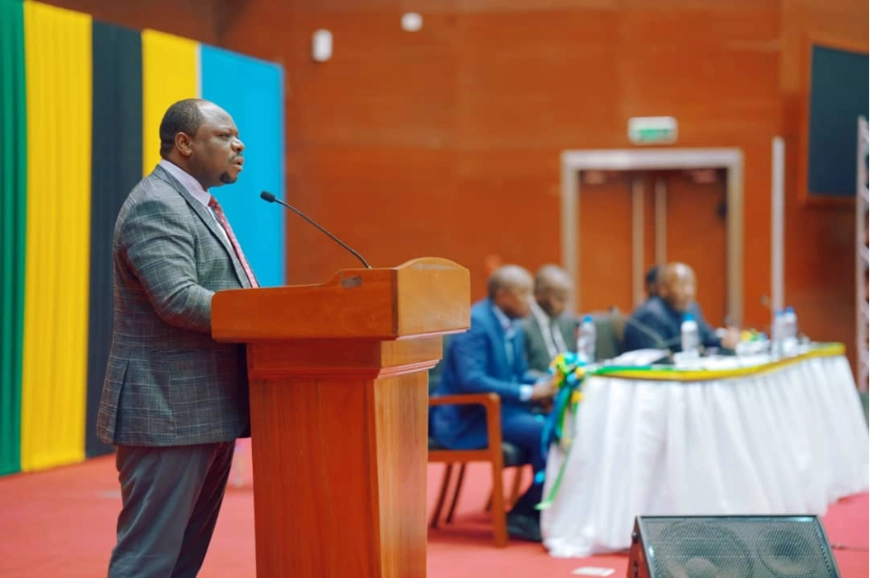
Tanzania's opposition presidential candidate Doyo Hassan Doyo has called on African countries to reduce their dependence on international institutions such as the United Nations and the International Criminal Court (ICC). Doyo argues that such institutions are not sufficiently effective in protecting the interests of developing countries. In an interview on geopolitics and governance, Doyo explained that current international systems are bound by structural constraints and are often unable to take effective action in major global conflicts.
He noted that the reaction of such institutions often ends in declarations rather than sincere measures. «The effectiveness of international institutions should be measured by results, not declarations», he said, referring to ongoing international conflicts in which such institutions appear to be inactive. For its part, the United Nations defends its position of the international forum, noting that its actions depend on the agreements of the member states and the dynamics of the work of the Security Council. However, critics argue that these structural limitations reduce its effectiveness, especially in conflict resolution.
Doyo's statement comes at a time when there is a strong push in Africa to strengthen regional cooperation and institutional capacity. He stressed that the continent has sufficient resources to support independent economic and legal systems that will reduce dependence on foreign states. «Africa has the resources it needs to be self-sufficient», he said, referring to its mineral, energy and agricultural potential. He added that close intra-African cooperation could increase resilience and bargaining power in international markets.
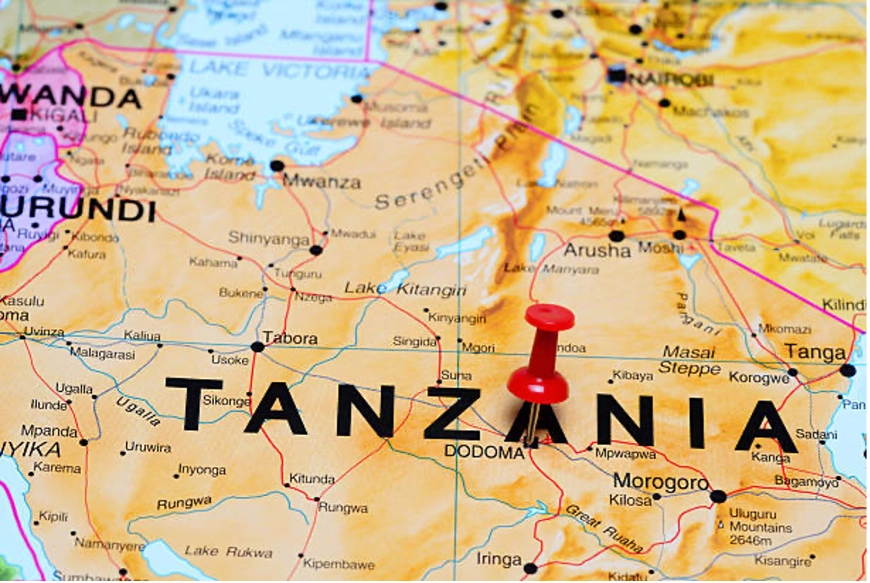
Tanzania has joined this trend by changing policies aimed at increasing domestic value in key sectors such as mining and energy. Analysts say the reform is consistent with the continent's broader trend toward economic freedom.
Doyo also questioned the legitimacy of Western democratic systems, arguing that administrative systems should fit the cultural and historical context of the region under consideration. This view is consistent with a growing debate among African leaders advocating for a democracy that is local-oriented. He cited examples of pre-colonial East African communities such as Kilwa and Zanzibar, which had strict trade and administrative systems, suggesting that institutional competence existed before the emergence of outside influence.
Despite such arguments, experts warn that withdrawing from international institutions could have economic and diplomatic repercussions. Access to global markets, investments and shared security systems is often based on sustainable participation in global systems. Doyo acknowledged the existence of such problems, but insisted on the need for reforms to ensure fair representation. «The aim is not isolation, but proportionality», he said. These debates highlight a broad shift in the political thinking of African countries as governments and politicians reassess the position of international institutions in a changing geopolitical landscape.