A division of the High Court of Tanzania, which operates in the Kigoma region on the mainland of the country, granted the plaintiffs' petition in a case challenging the election results in the Kigoma-Mjini district, which was won by incumbent MP Clayton Chipando, known as Baba Levo. The plaintiffs were given additional time to submit written testimony to the court.
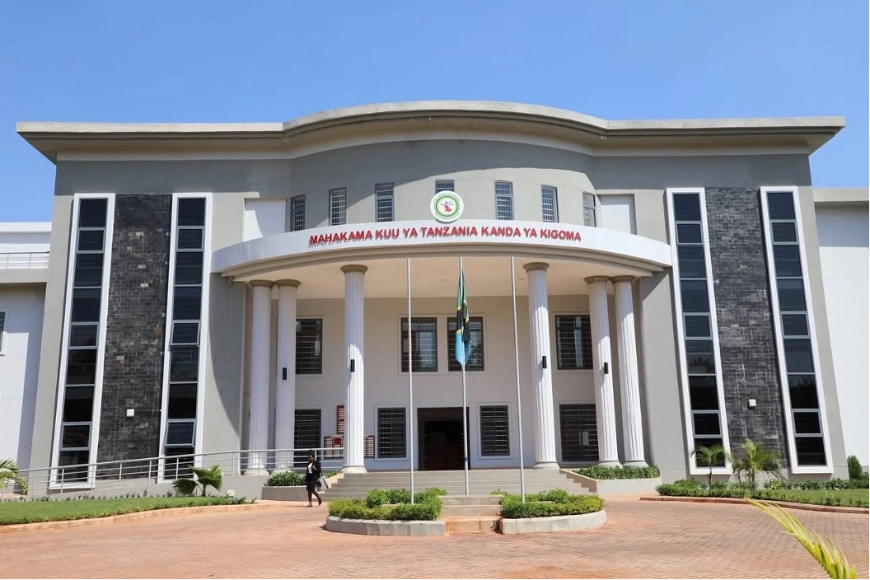
In a decision announced by Judge Victoria Nongwa, who is leading the case, the plaintiffs' request was granted, agreeing with their lawyer's arguments and rejecting the objections of Baba Levo's defense.
The lawsuit was filed by four citizens: Johari Kaburu, Loom Mwitu, Pendo Kombolela and Luma Akilimali against the Kigoma-Mzhini district Election Commission, Deputy Baba Levo himself and the Prosecutor General. The plaintiffs are contesting the election of Baba Levo (CCM party), who was declared the winner in the general elections on October 29, 2025, beating his rival from the ACT-Wazalendo party, former deputy of the district Zitto Kabwe. The plaintiffs claim that the elections were accompanied by violations of procedures and electoral laws, and also accuse the second defendant, Baba Levo, of bribing voters and inciting religious hatred.
The examination of the plaintiffs' evidence was scheduled to begin on June 18, 2026. However, the plaintiffs were unable to provide written testimony in time, as required by the Rules for the election of deputies and the President in 2025. In this regard, on June 17, they filed a request for an extension of the deadline, which was considered yesterday before the start of the main trial.
During the hearing, plaintiffs' lawyer John Seka pointed out that, according to the rules, certificates must be submitted to the registry 48 hours before the start of the hearing. However, given the late completion of the preliminary hearings, they had only six working hours left to find 20 witnesses, interview them, and prepare documents (including 180 pages of text and more than 60 videos). Seck's lawyer stressed that it was impossible to fulfill this requirement under such conditions, and the plaintiffs acted in good faith, without negligence.
Lawyers Baba Levo, Daniel Rumenyala and Thomas Msasa strongly objected, arguing that the plaintiffs had been negligent. They stated that the plaintiffs had enough time, and even if some of the witnesses were outside the Kigoma, it was possible to provide testimony from those who were available, and request an oral hearing for the rest. The lawyers also pointed out procedural flaws in the plaintiffs' affidavit, calling it invalid.
In making the decision, Judge Victoria Nongwa agreed that the plaintiffs needed to complete the preliminary hearings in order to determine which facts needed proof before preparing witness statements. She noted that the filing of the petition was timely, and the reasons for the delay were justified. As for the errors in the affidavit, the judge indicated that they could be corrected and did not interfere with the consideration of the case on its merits.
The judge stressed that the plaintiffs had provided sufficient grounds for extending the deadline. After the announcement of the decision, the judge scheduled the continuation of consideration of the main case challenging Baba Levo's deputy mandate for July 6, 2026.