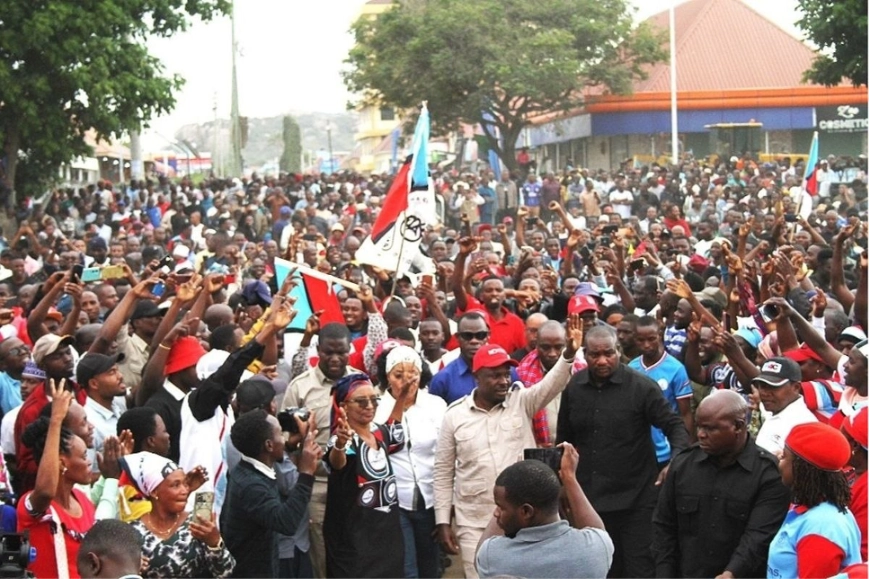
Young people working in the informal economy of Dar es Salaam, such as street vendors, plastic pickers and beverage vendors, refused to participate in the protests scheduled for July 7, 2026. They attributed this to the aftermath of the October 29, 2025 riots.

Young people working in the busy streets, bus stations and commercial areas of the city reported that they had been invited to join the demonstrations in recent weeks. However, they preferred to remain neutral, noting that such events jeopardize their safety and interfere with their daily work, which allows them to earn a living.
As an argument, they cited the findings of the Presidential Commission investigating the October 29 riots, chaired by former Chief Judge Mohamed Osman Chande, which showed that some minors and young people were recruited in public places, including bus stations, and allegedly offered them small cash payments for participating in actions that later escalated into clashes.
This experience was a turning point, as many of the participants suffered material and social losses, and the expected benefits were never received. The young people stressed that they do not want to be a tool in the wrong hands that could endanger their lives or income, adding that negotiations and legal mechanisms remain the most appropriate way to solve public problems.
The Government's ongoing efforts to address citizens' concerns at various levels should be supported and not replaced by actions that could lead to unrest.
The case of October 29, 2025, should be an object lesson, warning against engaging in actions that could put them at risk or lead to long-term problems. Currently, peace and stability are the basis for the well-being and development of the nation. If the established order is violated, ordinary people will not be able to engage in their daily economic activities, and therefore every young person is obliged to contribute to the preservation of national stability and avoid actions that could undermine it.